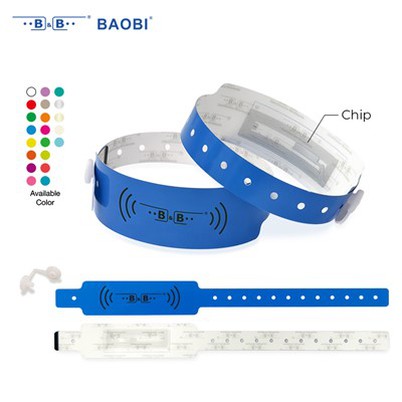
What are the use - cases of a barcode wristband printer in museums?
Leave a message

In the dynamic landscape of museum management, technological advancements have revolutionized the way institutions operate and engage with visitors. One such innovation that has gained significant traction is the barcode wristband printer. As a leading supplier of Barcode Wristband Printer, I have witnessed firsthand the transformative impact these printers can have on museum operations. In this blog post, I will explore the diverse use-cases of barcode wristband printers in museums, highlighting their benefits and how they enhance the overall visitor experience.
Visitor Access Control
One of the primary use-cases of barcode wristband printers in museums is visitor access control. By printing barcoded wristbands at the entrance, museums can efficiently manage the flow of visitors and ensure that only authorized individuals gain entry. These wristbands can be customized with unique barcodes that are scanned at various checkpoints throughout the museum, providing a secure and seamless access control system.
Barcode wristbands offer several advantages over traditional ticketing systems. Firstly, they are more convenient for visitors, as they can simply wear the wristband throughout their visit, eliminating the need to carry a ticket or pass. This not only reduces the risk of lost or misplaced tickets but also enhances the overall visitor experience by streamlining the entry process.
Secondly, barcode wristbands provide museums with real-time data on visitor attendance and movement. By scanning the wristbands at each checkpoint, museums can track the number of visitors entering and exiting different areas of the museum, as well as the duration of their visits. This data can be used to optimize museum operations, such as staffing levels, exhibit placement, and crowd management.
Membership and Loyalty Programs
Museums often offer membership and loyalty programs to encourage repeat visits and support from their patrons. Barcode wristband printers can play a crucial role in these programs by providing a convenient and secure way to identify and reward members.
Members can be issued with barcoded wristbands that contain their membership information, such as their name, membership number, and expiration date. These wristbands can be scanned at the entrance to the museum, allowing members to gain quick and easy access without the need to present a membership card.
In addition to access control, barcode wristbands can also be used to track member activity and provide personalized rewards. For example, museums can offer members exclusive discounts on merchandise, dining, or special events based on their visit frequency or spending habits. By scanning the wristbands at each purchase, museums can automatically apply the appropriate discounts and track member rewards.
Group Visits and Tours
Group visits and tours are a popular way for schools, organizations, and tour groups to experience museums. Barcode wristband printers can simplify the management of these groups by providing a unique identifier for each member.
When a group arrives at the museum, the tour guide or group leader can use a barcode wristband printer to print wristbands for each member of the group. These wristbands can be customized with the group name, tour number, and any other relevant information. By scanning the wristbands at the entrance, museums can ensure that all group members are accounted for and gain access to the museum.
During the tour, the barcode wristbands can be used to track the group's movement and ensure that they stay together. For example, museums can set up checkpoints throughout the museum where the tour guide can scan the wristbands to confirm that all group members are present. This not only helps to keep the group organized but also enhances the safety and security of the visitors.
Special Events and Exhibitions
Museums often host special events and exhibitions to attract new visitors and engage with their existing audience. Barcode wristband printers can be used to manage access to these events and ensure that only ticket holders or authorized individuals gain entry.
For special events, such as galas, lectures, or performances, museums can print barcoded wristbands for each ticket holder. These wristbands can be customized with the event name, date, and seat number, providing a secure and convenient way to identify and seat guests. By scanning the wristbands at the entrance, museums can ensure that only ticket holders are admitted to the event.
For special exhibitions, museums can use barcode wristbands to control access to restricted areas or timed entry slots. For example, museums can offer timed entry tickets for popular exhibitions to manage crowd flow and ensure that visitors have a comfortable viewing experience. By printing barcoded wristbands with the entry time and date, museums can easily scan the wristbands at the entrance and admit visitors at the appropriate time.
Lost and Found
In a busy museum environment, it is not uncommon for visitors to lose personal belongings. Barcode wristband printers can help museums manage the lost and found process by providing a unique identifier for each visitor.
When a visitor reports a lost item, the museum staff can use the barcode wristband printer to print a wristband with the visitor's contact information and a description of the lost item. The visitor can then wear the wristband throughout their visit, making it easier for museum staff to identify them if the lost item is found.
In addition to providing a way to identify visitors, barcode wristbands can also be used to track the movement of lost items. For example, museums can set up a lost and found area where all lost items are collected and tagged with a barcode. By scanning the barcode on the lost item and the visitor's wristband, museums can quickly and easily reunite the lost item with its owner.
Conclusion
As a supplier of Barcode Wristband Printer, I have seen firsthand the many benefits that these printers can offer to museums. From visitor access control and membership programs to group visits and special events, barcode wristband printers provide a convenient, secure, and efficient way to manage museum operations and enhance the overall visitor experience.


If you are a museum manager or administrator looking to improve your museum's operations and visitor experience, I encourage you to consider investing in a barcode wristband printer. Our Barcode Label Printer and RFID Label Printer are designed to meet the specific needs of museums and offer a range of features and customization options to suit your requirements.
To learn more about our barcode wristband printers and how they can benefit your museum, please contact us today. We would be happy to provide you with a demonstration and answer any questions you may have.
References
- "The Role of Technology in Museum Management." Museum Management and Curatorship, vol. 32, no. 2, 2017, pp. 123-140.
- "Barcode Technology in the Museum Industry." Journal of Museum Education, vol. 42, no. 3, 2017, pp. 245-256.
- "Using Barcode Wristbands for Visitor Management in Museums." Museum Practice, vol. 10, no. 1, 2018, pp. 34-45.