Do insurance companies recognize DNR Wristbands?
Leave a message

Do insurance companies recognize DNR Wristbands?
In the realm of healthcare, Do - Not - Resuscitate (DNR) orders play a crucial role. A DNR order is a legal document that instructs medical professionals not to perform cardiopulmonary resuscitation (CPR) in case of cardiac or respiratory arrest. To ensure that this directive is easily recognizable in emergency situations, DNR wristbands have been introduced. As a DNR wristband supplier, I often encounter questions about whether insurance companies recognize these wristbands.
Understanding DNR Wristbands
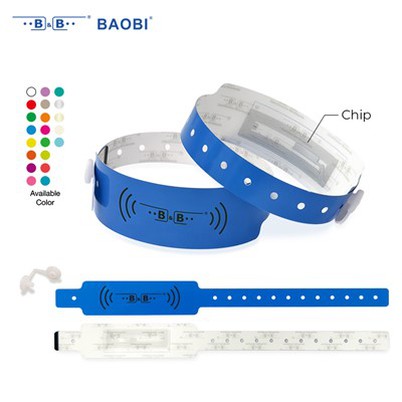
DNR wristbands are designed to be a visible and immediate indicator of a patient's DNR status. They are typically worn on the wrist, where they can be easily seen by medical staff. These wristbands come in various forms, including but not limited to adhesive - closure types and plastic or vinyl variations. For instance, the Healthcare Adhesive Closure Mother and Infant Band - Four Piece is a form of wristband that can be used in healthcare settings, and it may serve as a DNR wristband in some cases.
The purpose of these wristbands is to provide a quick and reliable means of communicating a patient's end - of - life wishes. In emergency situations where time is of the essence, having a clearly visible DNR wristband can prevent unnecessary and unwanted resuscitation efforts.
Insurance Company Recognition
The recognition of DNR wristbands by insurance companies is a complex issue. Insurance companies primarily base their policies and decisions on legal requirements, medical documentation, and industry standards.
Legal and Regulatory Considerations
From a legal perspective, insurance companies are bound to follow the laws and regulations of the jurisdiction in which they operate. In many regions, a valid DNR order is a legal document that must be recognized by all healthcare providers, including those involved in insurance - related healthcare services. However, the status of a DNR wristband itself may vary. Some states or countries have specific laws that require the acceptance of DNR wristbands as proof of a patient's DNR status, while in other areas, the wristband may only be considered a secondary form of identification.
For example, if a patient has a DNR wristband and their insurance policy covers end - of - life care, the insurance company may need to assess the validity of the DNR order based on the legal requirements of the area. If the DNR wristband is accompanied by proper medical documentation, such as a signed DNR form from a healthcare provider, the insurance company is more likely to recognize the patient's DNR status.
Medical Documentation
Insurance companies rely heavily on medical documentation to make decisions regarding claims and coverage. A DNR wristband, on its own, may not be sufficient proof of a DNR order. Insurance providers will typically require a signed DNR form from a physician or other authorized medical personnel. This form contains detailed information about the patient, the conditions under which the DNR order applies, and the signatures of both the patient and the medical provider.
However, a DNR wristband can serve as a preliminary indicator. In an emergency situation, it can prompt medical staff to look for the official DNR document. If the wristband leads to the discovery of a valid DNR order, the insurance company is more likely to honor the patient's wishes and provide appropriate coverage for end - of - life care.
Industry Standards
The healthcare industry has been gradually evolving towards the use of standardized identification methods. While there is no universal standard for DNR wristbands, some organizations have developed guidelines for their design and use. Insurance companies may take these industry standards into account when evaluating the validity of a DNR wristband.
If a DNR wristband conforms to recognized industry standards, it is more likely to be accepted by insurance companies. For example, if the wristband uses specific colors, symbols, or text that are commonly associated with DNR status, it can be seen as a more reliable form of identification.
The Role of Different Types of Wristbands
As a supplier, I offer a variety of wristbands, each with its own characteristics. The Event Plastic Wristband L Shape 10 and Event Vinyl Wristband L Shape 12 are examples of wristbands that can potentially be used in a healthcare context, including as DNR wristbands.
Plastic and vinyl wristbands are durable and can withstand the rigors of daily wear. They can be easily printed with clear and bold text indicating the DNR status. This visibility is important, as it ensures that medical staff can quickly identify the patient's wishes.
Adhesive - closure wristbands, on the other hand, offer a more secure fit and are often used in healthcare settings where patients may be more likely to remove non - secure wristbands. The adhesive closure ensures that the wristband stays in place, reducing the risk of it being lost or misplaced.
Impact on Insurance Claims
When it comes to insurance claims, the recognition of a DNR wristband can have significant implications. If an insurance company recognizes the DNR wristband as a valid indication of the patient's wishes, it can streamline the claims process for end - of - life care.
For example, if a patient with a DNR wristband passes away without unnecessary resuscitation efforts, the insurance company can process the claim more efficiently. They do not have to investigate the circumstances of the patient's death as thoroughly, as the DNR status is clearly indicated.
However, if the insurance company does not recognize the wristband or if there are disputes about the validity of the DNR order, the claims process can become more complicated. This may lead to delays in payment and additional stress for the patient's family.
Encouraging Insurance Company Recognition
To encourage insurance companies to recognize DNR wristbands, several steps can be taken.
Education and Awareness
Insurance companies need to be educated about the importance and validity of DNR wristbands. Healthcare providers can play a crucial role in this process by providing information to insurance companies about the use and benefits of DNR wristbands.


Standardization
As mentioned earlier, the development and adoption of industry standards for DNR wristbands can increase their acceptance by insurance companies. Standardized wristbands with clear and consistent markings can make it easier for insurance companies to recognize and validate a patient's DNR status.
Collaboration
Collaboration between wristband suppliers, healthcare providers, and insurance companies is essential. By working together, these parties can develop guidelines and protocols for the use and recognition of DNR wristbands.
Conclusion
In conclusion, the recognition of DNR wristbands by insurance companies is a multifaceted issue. While insurance companies are primarily concerned with legal compliance and proper medical documentation, DNR wristbands can play an important role in communicating a patient's wishes. As a DNR wristband supplier, I am committed to providing high - quality wristbands that meet the needs of patients, healthcare providers, and insurance companies.
If you are interested in purchasing DNR wristbands or have questions about their use and recognition, please feel free to contact us to discuss your specific requirements. We are here to assist you in ensuring that the wishes of your patients or loved ones are clearly communicated and respected.
References
- American Medical Association. (Year). Guidelines on Do - Not - Resuscitate Orders.
- State and local laws regarding DNR orders and identification.
- Healthcare industry standards organizations' publications on patient identification.