Can RFID wristbands be used for access control?
Leave a message

In the realm of modern security and access management, RFID (Radio-Frequency Identification) technology has emerged as a game-changer. Among its various applications, RFID wristbands have gained significant popularity for access control purposes. As a leading RFID wristband supplier, I am excited to delve into the question: Can RFID wristbands be used for access control? In this blog, we will explore the capabilities, benefits, and considerations of using RFID wristbands for access control.
Understanding RFID Technology
Before we dive into the use of RFID wristbands for access control, let's briefly understand how RFID technology works. RFID is a wireless communication technology that uses radio waves to identify and track objects. It consists of three main components: an RFID tag, an RFID reader, and a backend system.
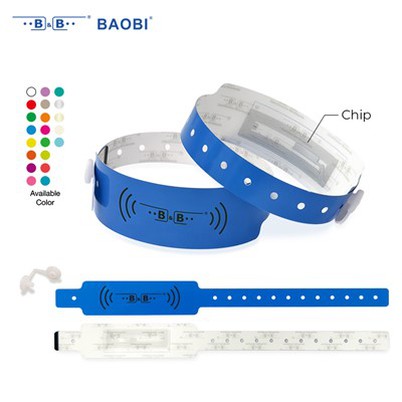
The RFID tag, which is embedded in the wristband, contains a microchip and an antenna. The microchip stores unique identification information, such as a serial number or user data. The antenna allows the tag to communicate with the RFID reader.
The RFID reader emits radio waves that activate the RFID tag. When the tag is within the range of the reader, it receives the radio waves and sends back its stored information. The reader then captures this information and sends it to the backend system for processing.
Capabilities of RFID Wristbands for Access Control
RFID wristbands offer several capabilities that make them suitable for access control applications. Here are some key features:


1. Contactless Access
One of the primary advantages of RFID wristbands is their contactless nature. Users can simply wave their wristbands in front of an RFID reader to gain access. This eliminates the need for physical contact, such as swiping a card or inserting a key, which can be inconvenient and time-consuming. Contactless access also reduces the risk of spreading germs, making it a hygienic solution, especially in high-traffic areas.
2. High Security
RFID wristbands can provide a high level of security for access control. Each wristband is assigned a unique identification number, which can be encrypted to prevent unauthorized access. The backend system can also be configured to restrict access based on specific criteria, such as time, location, or user permissions. Additionally, RFID technology can detect and prevent attempts to clone or tamper with the wristbands, further enhancing security.
3. Real-Time Monitoring
RFID wristbands can be integrated with a backend system that allows for real-time monitoring of access events. This means that administrators can track who enters and exits a particular area, when they do so, and for how long. Real-time monitoring provides valuable insights into access patterns and can help identify potential security threats or violations.
4. Customization
RFID wristbands can be customized to meet the specific needs of different applications. They come in various colors, designs, and materials, allowing organizations to choose a wristband that matches their branding or event theme. Additionally, the wristbands can be programmed with different levels of access permissions, depending on the user's role or responsibilities.
Applications of RFID Wristbands for Access Control
RFID wristbands have a wide range of applications in various industries. Here are some common use cases:
1. Events and Conferences
RFID wristbands are widely used in events and conferences to manage access and enhance security. Attendees can be issued with wristbands that grant them access to specific areas, such as exhibition halls, workshops, or VIP lounges. The wristbands can also be used to track attendance, collect data on attendee behavior, and provide personalized experiences. For more information on Event RFID Wristband, please visit our website.
2. Healthcare Facilities
In healthcare facilities, RFID wristbands are used to improve patient safety and streamline operations. Patients can be issued with wristbands that contain their medical information, such as allergies, medications, and treatment history. The wristbands can be scanned at various points in the healthcare process, such as admission, treatment, and discharge, to ensure that the right patient receives the right care at the right time. For more information on Healthcare RFID Wristband, please visit our website.
3. Theme Parks and Resorts
RFID wristbands are popular in theme parks and resorts for access control and guest management. Guests can be issued with wristbands that serve as tickets, allowing them to enter the park, access rides, and make purchases. The wristbands can also be used to track guest movements, provide personalized experiences, and improve operational efficiency. For more information on Event RFID Wristband-UHF, please visit our website.
4. Corporate Facilities
In corporate facilities, RFID wristbands are used to control access to restricted areas, such as offices, data centers, and laboratories. Employees can be issued with wristbands that contain their access credentials, allowing them to enter the building and specific areas within it. The wristbands can also be used to track employee attendance and monitor access patterns.
Considerations for Using RFID Wristbands for Access Control
While RFID wristbands offer many benefits for access control, there are also some considerations to keep in mind. Here are a few key points:
1. Cost
The cost of implementing an RFID access control system can vary depending on the size and complexity of the project. Factors such as the number of wristbands, readers, and backend systems, as well as the level of customization required, can all affect the cost. It is important to carefully evaluate the costs and benefits of using RFID wristbands for access control and ensure that it fits within your budget.
2. Compatibility
Before implementing an RFID access control system, it is important to ensure that the wristbands and readers are compatible with your existing infrastructure. This includes the backend system, software, and other hardware components. Compatibility issues can lead to system failures, downtime, and increased costs.
3. Privacy and Security
RFID technology raises concerns about privacy and security. The information stored on the wristbands, such as personal data and access credentials, can be vulnerable to unauthorized access and misuse. It is important to implement appropriate security measures, such as encryption, authentication, and access control, to protect the privacy and security of the data.
4. User Acceptance
The success of an RFID access control system depends on user acceptance. Some users may be hesitant to use RFID wristbands due to concerns about privacy, security, or comfort. It is important to educate users about the benefits of using RFID wristbands and address any concerns they may have. Additionally, the wristbands should be designed to be comfortable and easy to use.
Conclusion
In conclusion, RFID wristbands can be an effective solution for access control in various industries. They offer contactless access, high security, real-time monitoring, and customization options. However, it is important to carefully evaluate the costs, compatibility, privacy, and security considerations before implementing an RFID access control system. As a leading RFID wristband supplier, we have the expertise and experience to help you choose the right solution for your needs. If you are interested in learning more about our RFID wristbands or have any questions, please feel free to contact us for a procurement consultation. We look forward to working with you to enhance the security and efficiency of your access control system.
References
- "RFID Technology: An Overview." RFID Journal.
- "Benefits of RFID Wristbands for Access Control." Security Magazine.
- "RFID in Healthcare: Improving Patient Safety and Efficiency." Healthcare IT News.