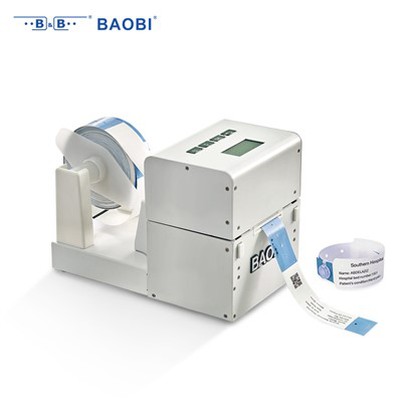
What is the read distance of different types of Event RFID Wristbands?
Leave a message

Hey there! As an Event RFID Wristband supplier, I often get asked about the read distance of different types of these wristbands. It's a crucial factor, especially when you're planning an event, as it can significantly impact how smoothly things run. So, let's dive into it and explore what affects the read distance of various Event RFID Wristbands.
Understanding RFID Basics
Before we get into the read distances, let's quickly go over what RFID is. RFID stands for Radio - Frequency Identification. It uses electromagnetic fields to automatically identify and track tags attached to objects. In our case, these tags are embedded in the wristbands. There are different frequencies used in RFID technology: Low Frequency (LF), High Frequency (HF), and Ultra - High Frequency (UHF). Each frequency has its own characteristics, which directly influence the read distance.
Low Frequency (LF) Event RFID Wristbands
LF RFID operates at a frequency range of 30 kHz to 300 kHz. The read distance for LF Event RFID Wristbands is relatively short, usually ranging from a few centimeters up to about 15 centimeters. This short read distance is due to the lower frequency, which has a limited ability to penetrate through materials and travel long distances.
The advantage of this short read distance is that it provides a high level of security. You can be sure that the wristband is being read only when it's very close to the reader. This makes LF wristbands great for applications where you need to control access to a very specific area, like a VIP section at an event. However, the short range can also be a drawback. If you have a large - scale event and you want to quickly scan a large number of people, the short read distance might slow down the process.
High Frequency (HF) Event RFID Wristbands
HF RFID works at a frequency of 13.56 MHz. The read distance for HF Event RFID Wristbands is typically between 10 centimeters to 1 meter. Compared to LF, HF has a longer read range, which allows for a bit more flexibility.


HF wristbands are commonly used in events for ticketing and access control. The read range is sufficient to quickly scan attendees as they enter an event venue without having to get extremely close to the reader. They are also less affected by interference from water and metal compared to UHF, which makes them a reliable choice for many event applications. For example, if you're running a music festival and you want to scan people at the entrance gates efficiently, HF wristbands can do the job well.
Ultra - High Frequency (UHF) Event RFID Wristbands
UHF RFID operates at frequencies between 860 MHz to 960 MHz. This is where things get really interesting in terms of read distance. UHF Event RFID Wristbands can have a read distance of up to several meters, sometimes even up to 10 meters or more, depending on the type of reader and the environment.
The long read distance of UHF wristbands makes them ideal for large - scale events. You can set up readers at a distance from the entrance or throughout the event area, allowing for seamless and fast scanning of attendees. For instance, at a large sports event, you can have UHF readers placed at the stadium gates, and people can just walk through without having to stop and present their wristbands.
If you're interested in UHF wristbands for your event, you can check out our Event RFID Wristband - UHF. We also offer Healthcare RFID Wristband - UHF for related applications.
Factors Affecting Read Distance
It's important to note that the read distance mentioned above is not always set in stone. There are several factors that can affect the actual read distance of RFID wristbands:
Reader Power
The power of the RFID reader plays a huge role. A more powerful reader can typically read the wristbands from a greater distance. However, you need to be careful not to use too much power, as it can cause interference and affect the accuracy of the readings.
Antenna Design
The design of the antenna on both the reader and the wristband tag matters. A well - designed antenna can focus the radio waves more effectively, increasing the read distance. Different antenna shapes and sizes are optimized for different frequencies and applications.
Environmental Conditions
The environment where the RFID system is used can have a big impact. For example, metal objects can reflect radio waves, causing interference and reducing the read distance. Water can also absorb radio waves, especially at UHF frequencies. In a humid environment or if the wristbands get wet, the read distance might be affected.
Wristband Orientation
The way the wristband is oriented in relation to the reader can affect the read distance. If the wristband tag is not properly aligned with the reader's antenna, the signal strength can be reduced, resulting in a shorter read distance.
Applications Based on Read Distance
Now that we know about the different read distances and the factors that affect them, let's look at some event applications based on these characteristics:
Access Control
For strict access control, like at a private party or a secure area within an event, LF or HF wristbands are a good choice. Their shorter read distances ensure that only people who are supposed to enter can do so. You can place the readers at the entrance, and attendees need to get close to the reader for it to work.
Ticketing and Attendance Tracking
For large - scale events, UHF wristbands are often the go - to option. Their long read distances allow for quick and efficient scanning of attendees as they enter the venue. You can set up multiple readers at different points, and people can just walk through without any hassle. This helps in reducing queues and ensuring a smooth entry process.
Asset Tracking
If you're using RFID wristbands to track assets within an event, such as equipment or merchandise, the choice of frequency depends on the size of the area and the level of accuracy required. HF wristbands are good for smaller areas, while UHF can be used for larger areas where you need to track assets from a distance.
Healthcare Applications
In the healthcare industry, RFID wristbands also play an important role. Our Healthcare RFID Wristband is designed to meet the specific needs of this sector. The read distance requirements in healthcare can vary depending on the application. For example, in a hospital ward, HF wristbands might be used for patient identification at close range, while UHF could be used for tracking medical equipment in a larger area.
Conclusion
In conclusion, the read distance of different types of Event RFID Wristbands varies significantly based on the frequency used (LF, HF, or UHF). Each frequency has its own advantages and disadvantages, and the choice depends on the specific requirements of your event. Whether you need a high - security, short - range solution or a long - range, fast - scanning option, there's an RFID wristband for you.
If you're planning an event and need RFID wristbands, don't hesitate to reach out. We can help you choose the right type of wristband based on your read distance requirements and other needs. Let's make your event a success with our high - quality Event RFID Wristbands!
References
- "RFID Handbook: Fundamentals and Applications in Contactless Smart Cards, Radio Frequency Identification and Near - Field Communication" by Klaus Finkenzeller.
- Various industry reports and whitepapers on RFID technology.