

How does an allergy wristband work?
Leave a message

Hey there! If you're here, you're probably curious about how an allergy wristband works. Well, you've come to the right place. I'm a supplier of Allergy Wristbands, and I'm going to break it all down for you in this blog.
What's an Allergy Wristband Anyway?
First things first, let's talk about what an allergy wristband is. It's a simple yet super useful device that helps people with allergies communicate critical information to others quickly and easily. Think of it as a mini billboard that tells people what you're allergic to. Whether you're at a hospital, an event, or just out and about, an allergy wristband can be a real lifesaver.
How Does It Work?
The basic idea behind an allergy wristband is pretty straightforward. It's designed to display important allergy information so that anyone who sees it can act accordingly. Here's a step-by-step look at how it works:
1. Information Input
The first step is to input your allergy information onto the wristband. This can be done in a few different ways. Some wristbands allow you to write the information directly on them using a pen or marker. Others come with a label or tag where you can print or type the details. And then there are high-tech options that use digital encoding to store the information.
For example, our Healthcare Plastic Imprinter ID Wristband is great for healthcare settings. You can use a special imprinter to add clear and permanent allergy information. This ensures that the details won't fade or smudge over time.
2. Wearing the Wristband
Once you've added your allergy information, it's time to put on the wristband. Most allergy wristbands are adjustable and come with a secure closure, like a buckle or a snap. You want to make sure it fits comfortably but snugly on your wrist so that it doesn't fall off.
3. Communication
Now that you're wearing the wristband, it's ready to do its job. When someone sees the wristband, they can quickly read the allergy information. This is especially important in emergency situations. For example, if you have a severe allergic reaction and you're unable to communicate, medical staff or bystanders can look at the wristband and know exactly what you're allergic to. This can save precious time and potentially prevent serious complications.

Different Types of Allergy Wristbands
There are several types of allergy wristbands available, each with its own features and benefits. Let's take a look at some of the most common ones:
Plastic Wristbands
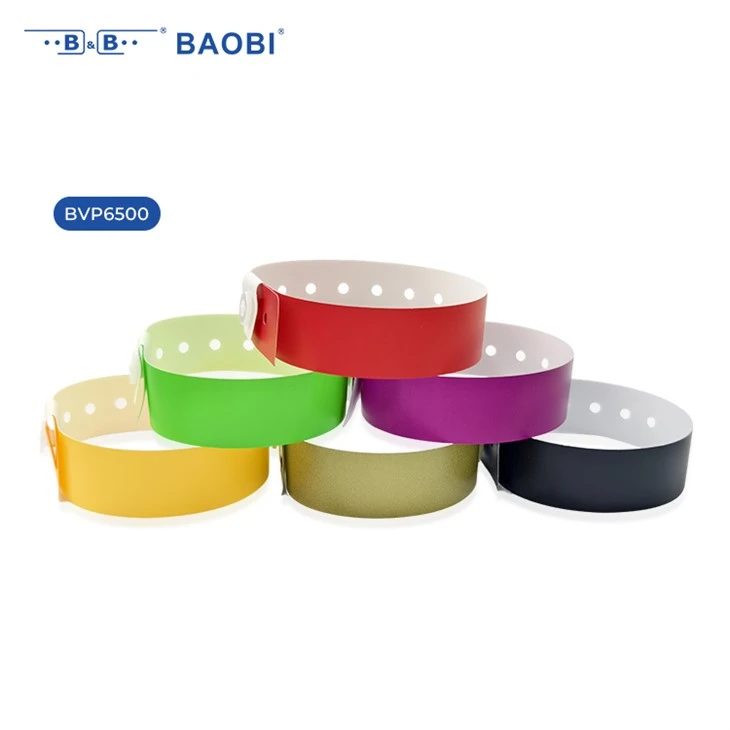
Plastic wristbands are popular because they're durable, waterproof, and easy to clean. They come in a variety of colors and styles, so you can choose one that suits your taste. Our Event Plastic Wristband L Shape 13 is a great option for events. It's not only functional but also looks cool.
NFC Wristbands
NFC (Near Field Communication) wristbands are a more advanced option. They use technology to store and transmit allergy information. With an NFC wristband, a healthcare provider or emergency responder can use a compatible device to scan the wristband and access detailed allergy data. Our NFC Event Wristband is a great example of this type of wristband. It's perfect for events where quick and accurate information sharing is crucial.
Why Are Allergy Wristbands Important?
Allergy wristbands play a vital role in keeping people safe. Here are some reasons why they're so important:
Quick Identification
In an emergency, every second counts. An allergy wristband allows medical professionals to quickly identify your allergies, which can lead to faster and more appropriate treatment.
Prevention of Mistakes
Allergy wristbands help prevent medical errors. By clearly displaying your allergy information, there's less chance of a healthcare provider accidentally administering a medication or treatment that you're allergic to.
Peace of Mind
Wearing an allergy wristband gives you and your family peace of mind. You know that if something happens, others will be able to quickly access your allergy information.
How to Choose the Right Allergy Wristband
When choosing an allergy wristband, there are a few things to consider:
Comfort
You'll be wearing the wristband all the time, so it needs to be comfortable. Look for one that's made of soft materials and has an adjustable fit.
Durability
The wristband should be able to withstand daily wear and tear. Plastic wristbands are a good choice because they're durable and long-lasting.
Readability
The allergy information on the wristband should be easy to read. Make sure the font is large enough and the print is clear.
Style
There's no reason why your allergy wristband can't look good. Choose a style and color that you like so that you'll be more likely to wear it.
Conclusion
So, there you have it! That's how an allergy wristband works. It's a simple but powerful tool that can make a big difference in the lives of people with allergies. Whether you're a healthcare provider looking for a reliable product for your patients or an individual in need of an allergy wristband, we've got you covered.
If you're interested in purchasing allergy wristbands for your organization or for personal use, we'd love to talk to you. We offer a wide range of high-quality wristbands at competitive prices. Just reach out to us, and we'll be happy to discuss your needs and provide you with a quote.
References
- American Academy of Allergy, Asthma & Immunology. (2023). Importance of Allergy Identification.
- World Allergy Organization. (2023). Guidelines for Allergy Management.


