How do I educate my family about my DNR Wristband?
Leave a message

Hey there! I'm in the business of supplying DNR (Do Not Resuscitate) Wristbands, and I've realized that getting my family on board with what these wristbands mean and why they're important has been quite a journey. So, I thought I'd share how I went about educating my family about my DNR Wristband.
First off, let me tell you a bit about these wristbands. They're not just any ordinary bands. A DNR Wristband is a crucial piece of medical identification. It clearly states that in case of a medical emergency, the wearer doesn't want to be resuscitated. This is a very personal decision, and it's based on a whole bunch of factors like a person's health condition, their beliefs, and their quality of life.
I started by having a heart - to - heart with my family. I sat them down and explained that I'd made this decision after a lot of thought. I told them that I knew it might be hard for them to understand at first, but it was something that was important to me. I said, "Guys, I've thought long and hard about this DNR Wristband. It's not a decision I made lightly. It's about my wishes for my own medical care."


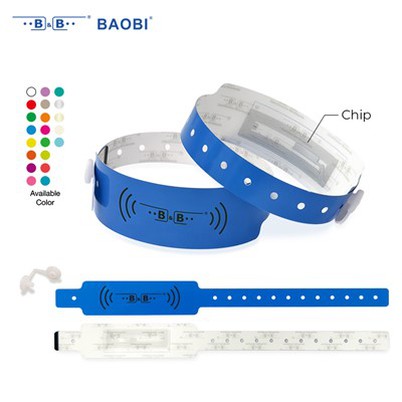
One of the first things I did was to show them the wristband itself. I took it out of its little package and let them hold it. I explained that it's made of high - quality materials, just like other great wristbands out there, such as the Holographic Wristband, the Event Vinyl ID Wristband Wideface 10, and the Healthcare PVC Adhesive Insert ID Wristband. These wristbands are all designed to be durable and visible, so that in an emergency, medical staff can quickly see the important information on them.
Then, I got into the nitty - gritty of what a DNR actually means. I said, "Look, if something happens to me and I'm in a situation where my heart stops or I stop breathing, the DNR Wristband tells the doctors not to do things like CPR or use a defibrillator." Some of my family members were a bit shocked. They asked, "But why wouldn't you want them to try and save you?"
I knew this was a tough question, so I took my time to explain. I told them that I've had some health issues, and I've seen how some medical procedures can sometimes do more harm than good. I said, "I don't want to be kept alive in a way that's going to make me suffer. I'd rather have a peaceful end if that's what's coming." I also mentioned that I've talked to my doctor about it, and my doctor understands my wishes and supports my decision.
I also shared some stories with my family. I told them about people I've heard of who've had DNR orders and how it's given them more control over their end - of - life care. I said, "There was this one guy who had a long - standing illness. He had a DNR, and when his time came, he was able to pass away surrounded by his loved ones, without all the chaos of aggressive medical treatments."
To make it even clearer, I showed them some online resources. There are a lot of websites that explain DNR orders in simple terms. I printed out some brochures and gave them to my family to read at their own pace. I said, "Guys, take these home and read them. It'll give you a better idea of what this is all about."
I also addressed their concerns. Some of my family members were worried that the doctors might misinterpret the DNR. I reassured them that the wristband is very clear, and doctors are trained to respect these orders. I said, "The DNR Wristband has all the necessary information on it, and medical staff are used to seeing them. They know what to do."
Another concern was about how it would affect them emotionally. I told them that I understood it would be hard, but that having this decision made in advance would actually make things easier in the long run. I said, "It'll take the pressure off you guys in an emergency. You won't have to make a difficult decision on the spot."
As time went on, I kept having conversations with my family. I didn't just have one big talk and then forget about it. I'd bring it up every now and then, just to see if they had any new questions or concerns. I also made sure to listen to their thoughts and feelings. I said, "I know this is a sensitive topic, so if you guys have any more questions or if something's bothering you, just tell me."
I also involved my family in the process of making sure the DNR Wristband was up - to - date. I asked them to help me double - check the information on it, like my name, my medical history, and my doctor's contact details. I said, "You guys are part of this. Let's make sure everything on the wristband is correct."
Now, my family is much more understanding of my DNR Wristband. They still have some mixed feelings, which is normal, but they respect my decision. And I'm really glad that I took the time to educate them.
If you're in the same boat as me, whether you're a supplier like me or just someone who's considering a DNR Wristband, I encourage you to have these conversations with your family. It's not easy, but it's so important. And if you're interested in our DNR Wristbands or any of our other great products like the ones I mentioned earlier, don't hesitate to reach out. We're here to answer all your questions and help you make the right choice for your medical identification needs.
References:
- General knowledge of DNR orders from medical literature
- Online resources about end - of - life care and DNR orders