What information should be on a LATEX ALLERGY Wristband?
Leave a message

Latex allergy is a serious medical condition that can lead to a range of symptoms, from mild skin irritation to life - threatening anaphylaxis. For individuals with this allergy, wearing a latex allergy wristband can be a crucial safety measure, providing vital information to medical professionals and others in case of an emergency. As a supplier of latex allergy wristbands, I understand the importance of including the right information on these wristbands.
Personal Identification Information
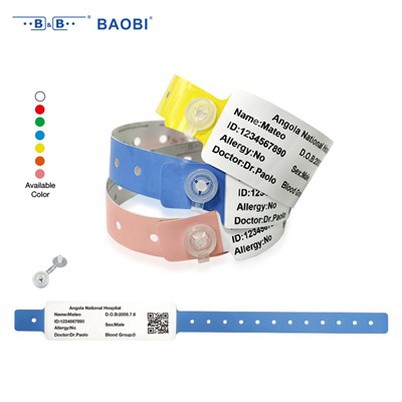
The first and most basic information that should be on a latex allergy wristband is personal identification details. This includes the wearer's full name. A clear and legible name allows medical staff to quickly identify the patient and access their medical records if necessary. Along with the name, the wristband should also include the patient's date of birth. This helps in confirming the patient's identity and provides additional context for medical treatment, as age can sometimes influence the course of treatment for an allergic reaction.


In addition to name and date of birth, it can be beneficial to include a contact number on the wristband. This could be the patient's own phone number if they are capable of answering in an emergency, or the number of a close family member or caregiver. In case of an allergic reaction, medical staff can use this number to quickly inform someone who can provide more detailed medical history or support the patient.
Allergy Information
The most critical information on a latex allergy wristband is, of course, the indication of the allergy itself. The wristband should clearly state "Latex Allergy" in large, easy - to - read letters. This immediate and unambiguous statement alerts anyone who sees the wristband, whether it's a medical professional in a hospital, a first - aider at an event, or a bystander, to the patient's condition.
It can also be useful to include information about the severity of the allergy. Some patients may have a mild allergic reaction, such as skin rashes or itching, while others may be at risk of anaphylaxis, a severe and potentially life - threatening allergic reaction. Indicating the severity level, for example, "Severe Latex Allergy - Risk of Anaphylaxis" or "Mild Latex Allergy", can help medical staff make more informed decisions about treatment.
Furthermore, if the patient has had previous allergic reactions, it can be beneficial to note any specific symptoms they experienced. For instance, if the patient has previously gone into shock or had difficulty breathing during a latex exposure, this information can be invaluable for medical providers.
Medical History and Treatment Information
Including relevant medical history on the latex allergy wristband can provide additional context for treatment. This may include any other pre - existing medical conditions that could interact with a latex allergy or its treatment. For example, if the patient has asthma, a latex allergy could potentially trigger an asthma attack, and medical staff need to be aware of this.
The wristband should also mention any current medications the patient is taking. Some medications can affect the body's response to an allergic reaction or interact with the treatment for a latex allergy. For example, beta - blockers can interfere with the effectiveness of epinephrine, the primary treatment for anaphylaxis.
If the patient has a prescribed treatment plan for their latex allergy, such as carrying an epinephrine auto - injector (e.g., EpiPen), this should be clearly stated on the wristband. Additionally, if the patient has any known allergies to other medications or substances that could be used in the treatment of a latex allergy, these should also be included.
Brand and Product Information
As a supplier, I also believe it's important to include some brand and product - related information on the wristband. This can help in case the wristband needs to be replaced or if the wearer or medical staff have questions about the wristband itself. The brand name of the wristband should be clearly visible, along with any relevant product model or batch number. This information can be used to track the origin and quality of the wristband.
Importance of Quality and Visibility
When providing latex allergy wristbands, quality and visibility are of utmost importance. The wristband should be made of durable materials that can withstand daily wear and tear, as well as potential exposure to water, sweat, and other elements. It should also be designed in a way that the information remains legible over time.
Visibility is crucial because the wristband needs to be easily noticed by anyone who may need to access the information. Bright colors or high - contrast designs can make the wristband stand out. For example, a wristband with a fluorescent background and dark text is more likely to be seen in various lighting conditions.
Our Product Range
At our company, we offer a variety of wristbands suitable for latex allergy identification. We have the DNR Wristband, which is not only functional but also meets high - quality standards. It can be customized to include all the necessary information about the latex allergy.
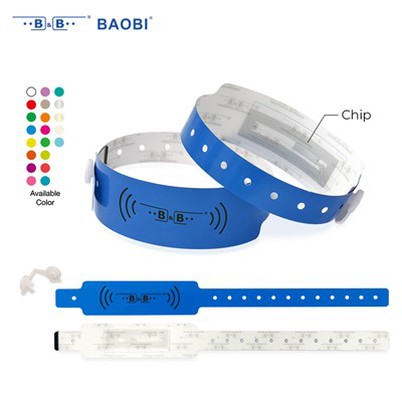
Our Healthcare PVC Snap Closure Imprinter ID Wristband is another great option. The snap - closure design makes it easy to put on and take off, and it can be imprinted with clear and long - lasting information.
For those looking for a more event - friendly option, our Event Vinyl Wristband L Shape 10 is a stylish yet practical choice. It can be worn comfortably during various activities while still providing essential allergy information.
Contact for Procurement
If you are interested in purchasing our latex allergy wristbands for personal use, for a healthcare facility, or for an event, we encourage you to reach out to us. We offer competitive pricing, high - quality products, and excellent customer service. Our team is ready to assist you in customizing the wristbands with the right information and ensuring that you get the best product for your needs.
References
- Sicherer, S. H., & Sampson, H. A. (2014). Food allergy: Epidemiology, pathogenesis, diagnosis, and treatment. Journal of Allergy and Clinical Immunology, 133(1), 29 - 38.
- Boyce, J. A., Assa'ad, A., Burks, A. W., Jones, S. M., Sampson, H. A., Wood, R. A., ... & American Academy of Allergy, A. (2010). Guidelines for the diagnosis and management of food allergy in the United States: Summary of the NIAID - sponsored expert panel report. Journal of Allergy and Clinical Immunology, 126(6), 1105 - 1118.
- Muraro, A., Roberts, G., Worm, M., Blank, S., Brockow, K., Canonica, G. W., ... & European Academy of Allergy and Clinical Immunology. (2014). Anaphylaxis: guidelines from the European Academy of Allergy and Clinical Immunology. Allergy, 69(8), 1026 - 1045.