How do I ensure the accuracy of attendance records using Event RFID Wristbands?
Leave a message

Hey there! I'm a supplier of Event RFID Wristbands, and I often get asked how to ensure the accuracy of attendance records using these nifty little devices. Well, you're in the right place because I'm gonna break it down for you.
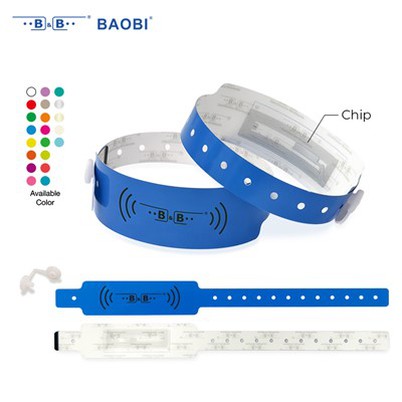
First off, let's talk about what Event RFID Wristbands are. They're basically wristbands embedded with RFID (Radio Frequency Identification) technology. These bands can store and transmit data wirelessly, which makes them super useful for tracking attendance at events. You can check out more about Event RFID Wristband on our website.
Now, to ensure the accuracy of attendance records, the first step is to choose the right type of wristband. We offer different options, like the Event RFID Wristband-UHF, which uses Ultra High Frequency technology. UHF wristbands have a longer read range and can handle a higher volume of reads per second, which is great for large events with lots of people moving in and out quickly.
When you're setting up the system, it's crucial to place the RFID readers in the right spots. You want to make sure that every person entering or leaving the event passes through an area where the reader can detect their wristband. For example, at the main entrance and exit points. If there are multiple entrances, you'll need to install readers at each one. This way, you won't miss anyone, and your attendance records will be more accurate.
Another important thing is to test the system before the event. You don't want any last-minute glitches. Have a few people walk through the entrance with the wristbands on and see if the readers are picking up the data correctly. Check the software that's collecting the attendance information to make sure it's recording everything accurately. If you notice any issues, you can fix them before the event starts.
Training your staff is also key. They need to know how to handle the RFID readers and what to do if there are any problems. For instance, if a wristband isn't being read properly, they should know how to troubleshoot. They can try adjusting the position of the reader or checking if the wristband is damaged. A well-trained staff can help ensure that the attendance recording process goes smoothly.
Now, let's talk about data management. Once the event is over, you'll have a bunch of attendance data. You need to make sure it's organized and easy to access. Use a reliable software system to store and analyze the data. This will help you generate accurate reports and keep track of who attended the event. You can also use the data for other purposes, like sending follow-up emails to the attendees or analyzing the demographics of the people who came.
One thing to keep in mind is that RFID wristbands are not 100% foolproof. There could be some interference from other electronic devices or environmental factors. For example, metal objects can block the RFID signal. So, you need to be aware of these potential issues and take steps to minimize them. If possible, try to keep the area around the readers free of metal objects.
We also offer Healthcare RFID Wristband-UHF for those in the healthcare industry. These wristbands have similar technology but are designed to meet the specific needs of healthcare facilities, like patient identification and tracking.
In addition to the technical aspects, it's important to communicate with your attendees. Let them know about the RFID wristbands and how they work. Explain that the wristbands are for attendance tracking and that their personal information is secure. This will help build trust and make the process go more smoothly.
When it comes to the wristbands themselves, make sure they're comfortable for people to wear. If they're too tight or uncomfortable, attendees might take them off, and you'll lose track of them. We design our wristbands to be lightweight and flexible, so they won't cause any discomfort.
Finally, having a backup plan is always a good idea. What if there's a power outage or the RFID system malfunctions during the event? You should have a manual way to record attendance, like a sign-in sheet. This way, you can still keep track of who's there, and you can reconcile the manual records with the RFID data later.
In conclusion, ensuring the accuracy of attendance records using Event RFID Wristbands requires careful planning, proper setup, and ongoing maintenance. By choosing the right wristbands, placing the readers correctly, testing the system, training your staff, managing the data well, and communicating with your attendees, you can have a reliable attendance tracking system.
If you're interested in purchasing Event RFID Wristbands for your next event, or if you have any questions about how to set up the system, don't hesitate to reach out. We're here to help you make your event a success and ensure that your attendance records are as accurate as possible.


References
- RFID Journal. (n.d.). RFID Basics. Retrieved from various industry articles on RFID technology and its applications.
- Industry reports on event management and attendance tracking systems.