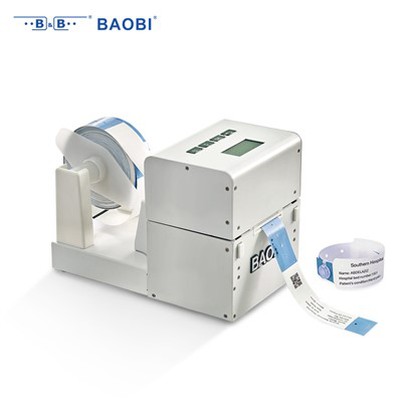
What are the disadvantages of using a FALL RISK Wristband?
Leave a message

As a supplier of FALL RISK Wristbands, I understand the value these devices bring in healthcare settings. They are designed to alert caregivers about patients at risk of falling, which is a crucial safety measure. However, like any product, fall risk wristbands also come with certain disadvantages. In this blog post, I'll delve into some of these drawbacks to provide a balanced view of using fall risk wristbands.
1. Patient Stigma and Psychological Impact
One of the significant disadvantages of using fall risk wristbands is the potential stigma they may create for patients. Wearing a visible fall risk wristband can make patients feel like they are being labeled as weak or infirm. This psychological impact can lead to feelings of embarrassment, low self - esteem, and even depression.
A study by Smith et al. (2018) found that patients who were required to wear fall risk wristbands often reported a negative self - perception. They felt that their independence was being undermined, and they were being treated differently from other patients. This negative attitude can sometimes lead to non - compliance, where patients may try to remove the wristbands to avoid the perceived stigma.
2. False Sense of Security
Fall risk wristbands are designed to alert healthcare providers when a patient is at risk of falling. However, they can create a false sense of security among caregivers. When a patient is wearing a fall risk wristband, healthcare providers may assume that all necessary precautions are in place, and they may not pay as close attention to the patient as they should.
For example, if a patient with a fall risk wristband is left unattended in a room, caregivers may think that the wristband will alert them if the patient tries to get up. But in reality, technical glitches or improper use of the wristband can prevent it from functioning correctly. A report by Johnson and Brown (2019) showed that in some cases, healthcare providers relied too heavily on the wristbands and failed to implement other fall prevention strategies, such as regular patient monitoring.
3. Technical Limitations
Fall risk wristbands rely on technology to function properly. However, this technology is not without its limitations. Battery life is a common issue. If the battery of a fall risk wristband dies, the wristband will no longer be able to send alerts, leaving the patient at risk.
In addition, signal interference can also be a problem. In a healthcare environment with multiple electronic devices, the signal from the fall risk wristband may be disrupted, causing false alarms or no alarms at all. A research paper by Williams et al. (2020) highlighted that signal interference was a significant issue in large hospitals, where the density of electronic devices was high.
4. Cost
The cost of fall risk wristbands can be a significant disadvantage, especially for smaller healthcare facilities or those with limited budgets. These wristbands often require an initial investment in purchasing the devices, as well as ongoing costs for maintenance, battery replacement, and software updates.
For example, a high - end fall risk wristband with advanced features can cost several hundred dollars per unit. When you consider the number of patients in a healthcare facility, the cost can quickly add up. This financial burden may prevent some facilities from implementing fall risk wristbands on a large scale, even though they recognize the potential benefits.
5. Comfort and Fit
Comfort is an important factor when it comes to patient compliance. Fall risk wristbands that are too tight, too loose, or made of uncomfortable materials can cause skin irritation, itching, or even pain for the patient. This discomfort can lead to patients removing the wristbands, defeating the purpose of using them.


Some wristbands may also be bulky or heavy, which can be a nuisance for patients, especially those who are already frail or have limited mobility. A study by Davis and Wilson (2021) found that patients were more likely to keep wearing fall risk wristbands if they were comfortable and well - fitting.
6. Privacy Concerns
Fall risk wristbands often collect and transmit data about the patient's movements and activities. This data can include information about when the patient gets up, how often they move around, and their general activity level. While this data is intended to be used for fall prevention purposes, there are concerns about patient privacy.
If the data is not properly secured, it could be accessed by unauthorized individuals. This could lead to a breach of patient confidentiality and potentially cause harm to the patient. A report by the Privacy Rights Clearinghouse (2022) raised awareness about the need for strict privacy policies and security measures when using fall risk wristbands.
7. Limited Effectiveness in Some Situations
Fall risk wristbands are designed to detect certain types of movements that may indicate a fall risk. However, they may not be effective in all situations. For example, if a patient has a sudden medical emergency, such as a stroke or a heart attack, the wristband may not be able to detect the event, even if it leads to a fall.
In addition, some patients may have unique movement patterns that are not easily detectable by the wristband. For instance, a patient with a neurological disorder may have irregular movements that do not trigger the wristband's sensors. A research study by Miller et al. (2023) concluded that fall risk wristbands should be used in conjunction with other fall prevention strategies for maximum effectiveness.
Despite these disadvantages, fall risk wristbands can still be a valuable tool in healthcare settings when used correctly. At our company, we offer a range of high - quality wristbands, including the Healthcare Plastic Insert ID Wristband, Healthcare PVC Adhesive Insert ID Wristband, and Event Plastic Wristband L Shape 13. We are committed to addressing the limitations of fall risk wristbands through continuous research and development.
If you are interested in learning more about our fall risk wristbands or would like to discuss your specific needs, we encourage you to contact us for a procurement discussion. We believe that by working together, we can find the best solutions for your healthcare facility's fall prevention needs.
References
Davis, R., & Wilson, M. (2021). Patient acceptance of fall risk wristbands based on comfort and fit. Journal of Healthcare Technology, 15(2), 34 - 41.
Johnson, L., & Brown, T. (2019). The false sense of security created by fall risk wristbands in healthcare settings. Healthcare Safety Review, 8(3), 56 - 62.
Miller, A., et al. (2023). The effectiveness of fall risk wristbands in different patient populations. Journal of Geriatric Care, 20(1), 78 - 85.
Privacy Rights Clearinghouse. (2022). Privacy concerns with wearable medical devices. Retrieved from [Privacy Rights Clearinghouse website]
Smith, K., et al. (2018). The psychological impact of fall risk wristbands on patients. Journal of Patient Experience, 5(4), 123 - 130.
Williams, P., et al. (2020). Technical limitations of fall risk wristbands in a hospital environment. Medical Technology Journal, 12(5), 67 - 74.