How do allergy wristbands for the hearing - impaired communicate the allergy information?
Leave a message

Communication is a fundamental aspect of our daily lives, playing a crucial role in ensuring personal safety and well - being. For the hearing - impaired population, effective communication methods are of utmost importance, particularly when it comes to conveying critical information such as allergies. Allergy wristbands serve as a powerful tool for this purpose, enabling the hearing - impaired to communicate their allergy information efficiently. As a leading supplier of allergy wristbands, I am well - equipped to explain how these wristbands can be used to communicate such vital details.
Understanding the Needs of the Hearing - Impaired
The hearing - impaired face unique challenges in communicating their needs, especially in emergency situations. When it comes to allergies, any delay in communicating these details could have severe, even life - threatening consequences. For example, if a hearing - impaired individual has a severe peanut allergy and is in an emergency situation where medical intervention is required, it is essential that medical staff are immediately aware of this allergy.
Allergy wristbands act as a silent yet powerful communicator. They provide a simple and direct way to convey allergy information, overcoming the communication barriers faced by the hearing - impaired. These wristbands can be seen and read, eliminating the need for spoken communication in critical moments.
Types of Allergy Wristbands Suitable for the Hearing - Impaired
One of the products I supply is the Healthcare PVC Adhesive Imprinter ID Wristband. This wristband is ideal for the hearing - impaired as it offers a durable and visible platform for allergy information. The PVC material is resistant to wear and tear, ensuring that the information remains clear and legible even in challenging environments. The adhesive feature allows for easy and secure attachment to the wrist, minimizing the risk of the wristband coming off accidentally.
Another option is the Event Plastic Wristband L Shape 13. This wristband, with its unique L - shape design, provides an unobtrusive yet visible way to display allergy information. The plastic material is lightweight and comfortable, making it suitable for long - term wear. The design also allows for customization, so specific allergy details can be clearly printed on the wristband.
The Healthcare Plastic Imprinter ID Wristband is also a great choice. Its plastic construction is both durable and easy to clean. With imprinter capabilities, precise and detailed allergy information can be added to the wristband. This is particularly useful for the hearing - impaired as the accuracy of the information can be ensured, leaving no room for misinterpretation.
How Wristbands Communicate Allergy Information
The primary way allergy wristbands communicate information is through clear and visible printing. The allergy details, such as the type of allergen (e.g., nuts, latex, penicillin), the severity of the allergy, and any specific instructions (e.g., carry an Epi - pen) are printed on the wristband. This information is presented in a straightforward and easy - to - read format.
For the hearing - impaired, the visual nature of the wristband is a significant advantage. In a medical setting, healthcare providers can quickly glance at the wristband and obtain all the necessary allergy information. This is much faster and more reliable than trying to communicate through sign language, which may not be understood by all medical staff, especially in an emergency situation.
Moreover, the wristbands can be color - coded to indicate the severity of the allergy. For instance, a red band could signify a life - threatening allergy, while a yellow band might represent a less severe allergy. This color - coding system provides an additional layer of information that can be quickly understood at a glance, enhancing the communication of allergy details.
Customization for Enhanced Communication
Customization is a key feature of the allergy wristbands I supply. We understand that each individual's allergy situation is unique, and the hearing - impaired may have specific needs for communicating their information. We offer the option to include not only the basic allergy details but also additional information such as the individual's name, emergency contact number, and any relevant medical history.
This customization allows for a more comprehensive and personalized communication of allergy information. For example, if a hearing - impaired person has multiple allergies and also has a pre - existing medical condition that could interact with allergy medications, this information can be included on the wristband. This full - picture approach ensures that medical staff have all the necessary information to provide the most appropriate treatment.
Integration with Modern Technology
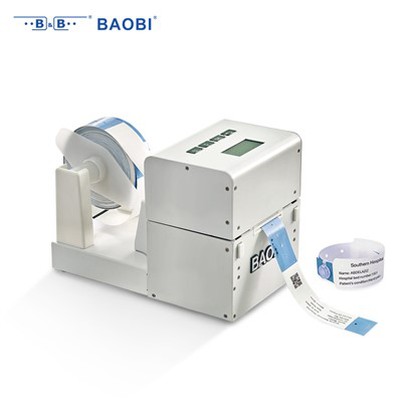
In addition to the traditional printed information on the wristbands, we are also exploring ways to integrate modern technology to enhance the communication of allergy information. For instance, some of our wristbands can be embedded with QR codes. When scanned using a smartphone, these QR codes can lead to a more detailed medical profile that includes the individual's allergy history, treatment protocols, and other relevant information.
This technological integration is especially beneficial for the hearing - impaired. In an emergency situation, first responders can quickly scan the QR code and access a wealth of information that may not be possible to fit on the physical wristband. It also allows for the easy updating of information as the individual's allergy status or medical history changes.
Promoting Awareness and Usage
As a supplier, we are committed to promoting the use of allergy wristbands among the hearing - impaired population. We work closely with healthcare providers, patient advocacy groups, and support organizations to spread awareness about the importance of these wristbands in communicating allergy information.
We also offer education and training programs to help the hearing - impaired and their families understand how to properly use and maintain the wristbands. This includes instructions on how to choose the right wristband, how to ensure the information is accurate and up - to - date, and how to handle any issues that may arise, such as a wristband becoming damaged or the information fading.


Conclusion
Allergy wristbands are an invaluable tool for the hearing - impaired to communicate their allergy information. Through their clear and visible design, customizable features, and potential integration with modern technology, these wristbands provide a reliable and efficient means of ensuring that vital allergy details are conveyed in a timely and accurate manner.
If you or someone you know in the hearing - impaired community is in need of high - quality allergy wristbands, I encourage you to reach out for a detailed discussion on our products. We are eager to work with you to find the perfect solution to meet your specific needs and ensure the safe and effective communication of allergy information.
References
- American Academy of Allergy, Asthma & Immunology. (20XX). Best practices for allergy communication in vulnerable populations.
- World Health Organization. (20XX). Guidelines for improving emergency communication for people with disabilities.
- International Journal of Hearing Impairment and Health. (20XX). Innovations in communication tools for the hearing - impaired.