Are healthcare plastic insert ID wristbands compliant with HIPAA regulations?
Leave a message

Hey there! As a supplier of Healthcare Plastic Insert ID Wristbands, I often get asked if our products are compliant with HIPAA regulations. It's a crucial question, especially in the healthcare industry where patient privacy and data security are top priorities. So, let's dive right in and explore this topic.
First off, what exactly is HIPAA? The Health Insurance Portability and Accountability Act was passed in 1996 in the United States. Its main goals are to protect patients' medical information, ensure the security and privacy of healthcare data, and make it easier for people to keep their health insurance when they change jobs or circumstances. HIPAA has two main rules that are relevant to us: the Privacy Rule and the Security Rule.
The Privacy Rule sets the standards for the use and disclosure of patients' protected health information (PHI). This includes things like a patient's name, address, medical history, and treatment details. The Security Rule, on the other hand, requires covered entities (like healthcare providers, health plans, and healthcare clearinghouses) to implement administrative, physical, and technical safeguards to protect electronic PHI.
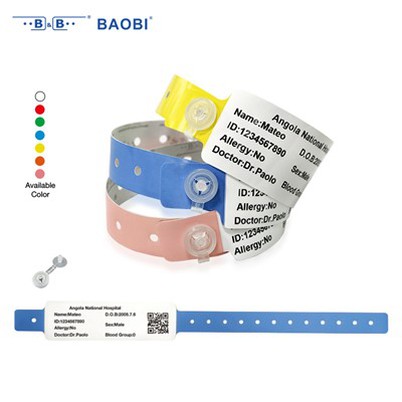
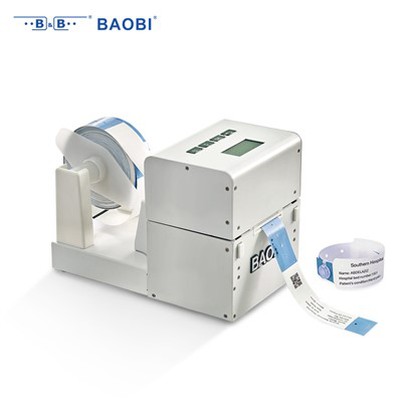
Now, let's talk about our Healthcare Plastic Insert ID Wristbands. These wristbands are designed to be a reliable and convenient way to identify patients in healthcare settings. They come with a plastic insert where important information can be written or printed, such as the patient's name, room number, allergies, and medical conditions.
So, are they HIPAA compliant? Well, the short answer is yes, but it depends on how they're used. Our wristbands themselves don't violate HIPAA regulations. They're just a physical tool for storing and displaying information. However, it's up to the healthcare providers to use them in a way that complies with HIPAA.
For example, when a healthcare worker writes a patient's PHI on the wristband, they need to make sure that the information is kept private. This means not leaving the wristband where unauthorized people can see it, like in a public area or on an unattended patient's bed. Also, when the wristband is no longer needed, it should be disposed of properly to prevent any potential data breaches.
Let's take a look at some of our specific products and how they fit into the HIPAA compliance picture.


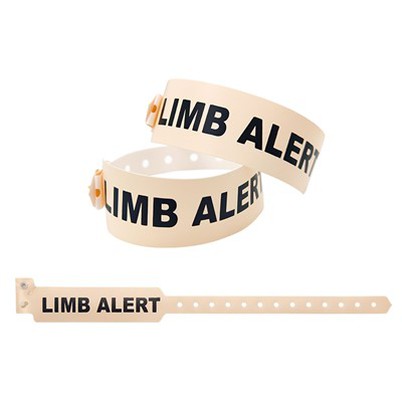
The ALLERGY ALERT Wristband is a great example. It's specifically designed to highlight a patient's allergies, which is important for their safety. The information on this wristband is clearly marked and easy to read, but again, it's the responsibility of the healthcare staff to handle it in a HIPAA - compliant manner.
Another product is the Shield Band. This wristband offers an extra layer of protection for the insert, which can help keep the information secure. It's made of durable materials that can withstand the rigors of a healthcare environment.
Our Healthcare PVC Adhesive Imprinter ID Wristband is also a popular choice. It's easy to customize with a patient's information using an imprinter. This ensures that the information is clear and legible, but once again, proper handling is key to maintaining HIPAA compliance.
One of the challenges in ensuring HIPAA compliance with these wristbands is the potential for human error. Healthcare workers are often busy, and in the hustle and bustle of a hospital or clinic, it's easy to forget about the rules. That's why we provide training materials and guidelines to our customers to help them use our products correctly. We also encourage them to have internal policies in place to ensure that all staff members are aware of their responsibilities when it comes to protecting patient information.
Another aspect to consider is the storage and management of the wristbands. If a healthcare facility has a large number of wristbands with patient information, they need to have a system in place to keep track of them. This could involve storing them in a locked cabinet or using an electronic database to manage the information.
In addition to following HIPAA regulations, our wristbands also meet other quality and safety standards. They're made from non - toxic materials that are safe for patients to wear, and they're designed to be comfortable and durable.
So, if you're a healthcare provider looking for a reliable and HIPAA - compliant way to identify your patients, our Healthcare Plastic Insert ID Wristbands are a great option. We're committed to providing high - quality products and excellent customer service. We understand the importance of patient privacy and data security, and we're here to help you meet your compliance needs.
If you're interested in learning more about our products or have any questions about HIPAA compliance, don't hesitate to reach out. We'd love to have a chat with you and discuss how our wristbands can fit into your healthcare facility. Whether you're a small clinic or a large hospital, we have the right solutions for you.
In conclusion, our Healthcare Plastic Insert ID Wristbands can be a valuable tool in healthcare settings as long as they're used correctly. By following HIPAA regulations and implementing proper handling procedures, you can ensure that your patients' information remains secure. So, why not give our products a try and see the difference they can make in your facility?
References
- Health Insurance Portability and Accountability Act of 1996 (HIPAA)
- U.S. Department of Health and Human Services, Office for Civil Rights (OCR) guidance on HIPAA regulations