RFID Wristbands: How They Work & Where To Use Them
Leave a message

How RFID Wristband Systems Work
An RFID wristband looks almost identical to a standard vinyl or plastic wristband, with the key difference being its built-in smart chip and antenna. When the wristband is brought close to or tapped against a compatible reader, it transmits stored information via radio frequency waves.
The vast majority of amusement parks and event venues use passive High-Frequency (HF) RFID wristbands (or wearable RFID credentials). These wristbands require no internal power source; they are only activated when near a reader, allowing for the reading and writing of visitor identification data while ensuring operational convenience and information security.
Core Components of an RFID System
1. Tag: An integrated chip and antenna embedded inside the wristband
2. Reader: Usually built into cash registers or self-service terminals, responsible for scanning and data exchange
3. Management Software: Used to configure access permissions and manage payment information
Main RFID Frequency Types and Their Characteristics
|
Frequency Type |
Core Characteristics |
Application Scenarios |
|
|
Low Frequency (LF) 125–134 kHz |
Short reading distance, limited data transmission capacity, strong anti-interference ability, and good penetration through metals and liquids |
Short-range identification |
|
|
High Frequency (HF) 13.56 MHz |
Moderate reading distance, stable data transmission speed, high security, cost-effective, and the mainstream choice for consumer applications |
Standard configuration for wristbands, balancing security, performance, and cost-effectiveness optimally |
|
|
Ultra-High Frequency (UHF) 860–960 MHz |
Long reading distance, large data transmission capacity, weak anti-interference ability, and sensitivity to metals/liquids |
More suitable for inventory management scenarios rather than direct consumer use |
Currently, all theme parks and resorts opt for the HF solution, which achieves the perfect balance between security, performance, and cost.
Data Storage Types of RFID Wristbands
Passive RFID-tagged wristbands offer a maximum storage capacity of 3KB, capable of storing the following information:
-
Identity details and credential levels (e.g., VIP, media personnel, etc.)
-
Work order or access control permissions
-
Hotel room information (can directly replace traditional key cards)
-
Membership points or cashless payment account balances
-
Security verification data (e.g., date of birth)
-
Social media account linkage information
The system encrypts all stored data and assigns access permissions via management software, ensuring the flexibility and security of RFID wristbands. Practice has proven that the value of RFID wristbands goes far beyond "convenience" - they can also optimize the overall operational efficiency of venues.

To meet the diverse needs of different venues, RFID wristbands are available in a wide range of styles and materials, balancing aesthetics and functionality:
-
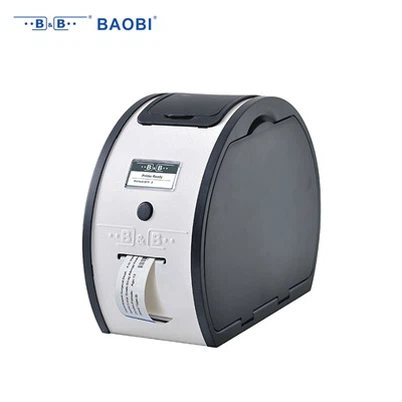
Paper/thermal paper RFID wristbands: Essential for short-term events with high cost-effectiveness. Compatible with BAOBI printers, they support ink-free, high-speed printing, making them ideal for short-term exhibitions, medical check-up centers, and rapid identity verification scenarios.
-
Fabric RFID wristbands: Soft, breathable, customizable with brand elements, and available in eco-friendly options that align with fashion trends. Suitable for multi-day music festivals, high-end conferences, and luxury resorts.
-
Plastic RFID wristbands: Similar in appearance to standard vinyl/plastic wristbands but slightly thicker, offering high durability and water resistance. Perfect for water parks, aquatic play areas, and other scenarios requiring prolonged water exposure or frequent use.
-
Silicone RFID wristbands: Soft to the touch with advanced technology, resistant to long-term water immersion and multi-day wear. Ideal for high-end guest services in spas and resorts. Their smooth surface makes tampering attempts immediately noticeable.

Integrating fast identification, seamless access, integrated payments, and secure encryption, RFID wristbands help operators reduce costs and boost efficiency while sparing users from cumbersome processes. Covering diverse scenario needs, they are the optimal choice for unlocking smart, convenient living and efficient management.