

Are DNR Wristbands used in telemedicine consultations?
Leave a message

In the rapidly evolving landscape of modern healthcare, telemedicine has emerged as a revolutionary force, transforming the way medical consultations are conducted. As a supplier of DNR (Do Not Resuscitate) wristbands, I've witnessed firsthand the dynamic interplay between telemedicine and the use of such crucial medical identification tools. This blog post delves into the question: Are DNR wristbands used in telemedicine consultations?
Understanding DNR Wristbands
DNR wristbands are an essential part of a patient's medical directive. They clearly indicate that, in the event of cardiac or respiratory arrest, the patient does not wish to receive cardiopulmonary resuscitation (CPR). These wristbands are typically made of durable materials and are designed to be easily visible, ensuring that medical personnel can quickly identify a patient's wishes.
The importance of DNR wristbands cannot be overstated. They provide a clear and immediate way to communicate a patient's end - of - life preferences, especially in emergency situations where time is of the essence. In a traditional healthcare setting, a DNR wristband is a physical reminder for doctors, nurses, and other medical staff. But how does this translate into the realm of telemedicine?
The Role of Telemedicine in Modern Healthcare
Telemedicine refers to the use of telecommunications technology to provide remote medical services. It allows patients to consult with healthcare providers without the need for in - person visits. This has become particularly important in recent times, as it offers a convenient and safe way to receive medical advice, especially for patients who have difficulty traveling or are in areas with limited access to healthcare facilities.
Telemedicine consultations can cover a wide range of medical issues, from routine check - ups to more complex medical conditions. During these consultations, healthcare providers rely on various forms of information to make informed decisions, including medical history, symptoms, and test results.
Incorporating DNR Wristbands into Telemedicine
In telemedicine consultations, the use of DNR wristbands presents both opportunities and challenges. On one hand, the concept of a DNR wristband can be integrated into the digital medical record system. When a patient has a DNR wristband, the information can be entered into their electronic health record (EHR). During a telemedicine consultation, the healthcare provider can access this information, just as they would access other medical data.
For example, if a patient with a DNR wristband contacts a healthcare provider via telemedicine for a non - emergency issue, the provider can be aware of the patient's DNR status. This knowledge can influence the treatment plan and the advice given. If the patient experiences a sudden medical emergency during the telemedicine consultation, the provider can make more informed decisions based on the DNR directive.
However, there are also challenges. One of the main issues is the verification of the DNR wristband. In a traditional in - person setting, medical staff can physically examine the wristband to ensure its authenticity. In telemedicine, this becomes more difficult. The patient may need to provide a clear photo of the wristband, and the healthcare provider may need to cross - reference the information with the patient's EHR.
Other Types of Wristbands in Healthcare
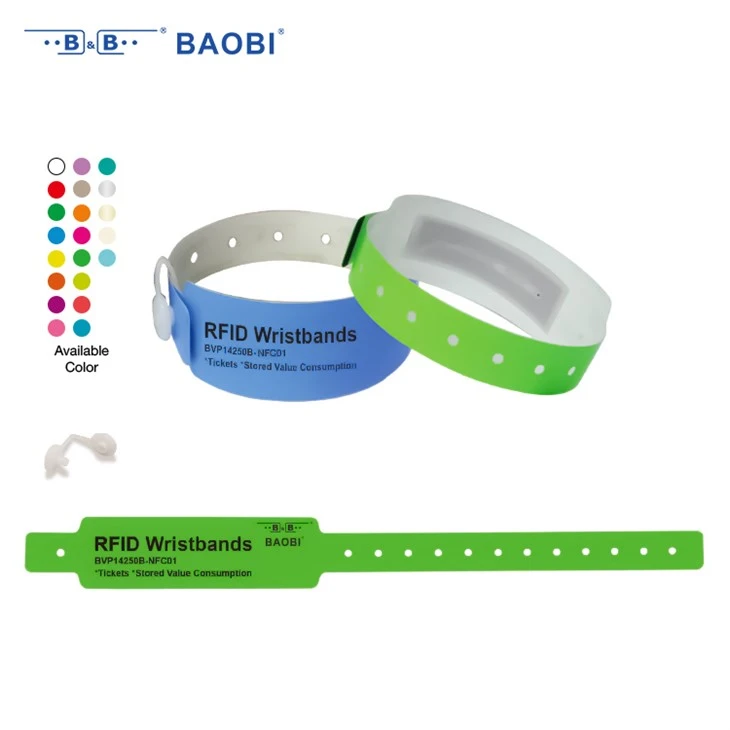
In addition to DNR wristbands, there are other types of wristbands that are relevant in the context of telemedicine. For instance, NFC Event Wristband can be used to store a patient's medical information. These wristbands use Near Field Communication (NFC) technology, which allows for easy and secure data transfer. Healthcare providers can use NFC - enabled devices to quickly access a patient's medical history, including DNR status, during a telemedicine consultation.
LATEX ALLERGY Wristband is another important type of wristband. It alerts healthcare providers to a patient's latex allergy, which can be crucial during a medical consultation. In a telemedicine setting, the patient can mention the presence of the latex allergy wristband, and the healthcare provider can take appropriate precautions when prescribing medications or suggesting treatments.
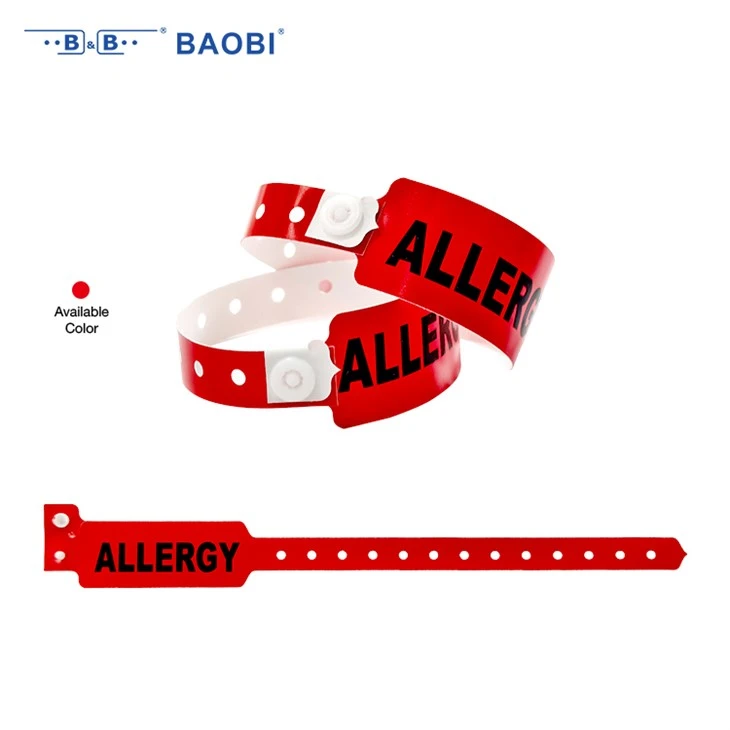
Allergy Wristband is a more general type of wristband that can indicate various allergies. Similar to the DNR wristband, the information on an allergy wristband can be integrated into the patient's EHR and accessed during a telemedicine consultation.
The Future of DNR Wristbands in Telemedicine
As telemedicine continues to grow, the role of DNR wristbands is likely to become more significant. With the development of more advanced digital technologies, it may become easier to verify the authenticity of DNR wristbands in a telemedicine setting. For example, blockchain technology could be used to create a secure and tamper - proof record of a patient's DNR status.
Moreover, the integration of DNR wristbands with other digital health tools, such as mobile health apps, could enhance the effectiveness of telemedicine consultations. Patients could use their smartphones to scan their DNR wristbands and share the information with their healthcare providers in real - time.
Conclusion and Call to Action
In conclusion, DNR wristbands do have a place in telemedicine consultations. While there are challenges to overcome, the potential benefits are significant. By ensuring that healthcare providers have access to a patient's DNR status during a telemedicine consultation, we can better respect the patient's end - of - life wishes.
If you are interested in purchasing DNR wristbands or other healthcare - related wristbands, we are here to help. Our products are designed to meet the highest standards of quality and functionality. We offer a wide range of options, including different materials, colors, and customization features. Whether you are a healthcare facility, a patient, or an organization looking to provide medical identification solutions, we can provide you with the right products. Contact us to start a conversation about your specific needs and how we can assist you in making the right choices for your healthcare requirements.
References
- Smith, J. (2020). Telemedicine: A review of the current state and future prospects. Journal of Telemedicine and Telecare, 26(3), 145 - 152.
- Johnson, A. (2019). The role of medical identification wristbands in emergency care. Emergency Medicine Journal, 36(6), 412 - 417.
- Brown, C. (2021). Digital health technologies and their impact on telemedicine. Health Informatics Journal, 27(2), 321 - 330.


